Picture a seafloor so crowded you could hardly put a hand down without touching something. Bodies everywhere, some longer than your hand. And almost none of them has a mouth, an eye or a front end.
What the rock keeps is a mold. Something soft settled onto a mat of bacteria and died, sand buried it, and minerals set hard around the outside before the inside rotted away. So the outline survives in beautiful detail, and the inside doesn't survive at all. Scientists call these fossils death masks.
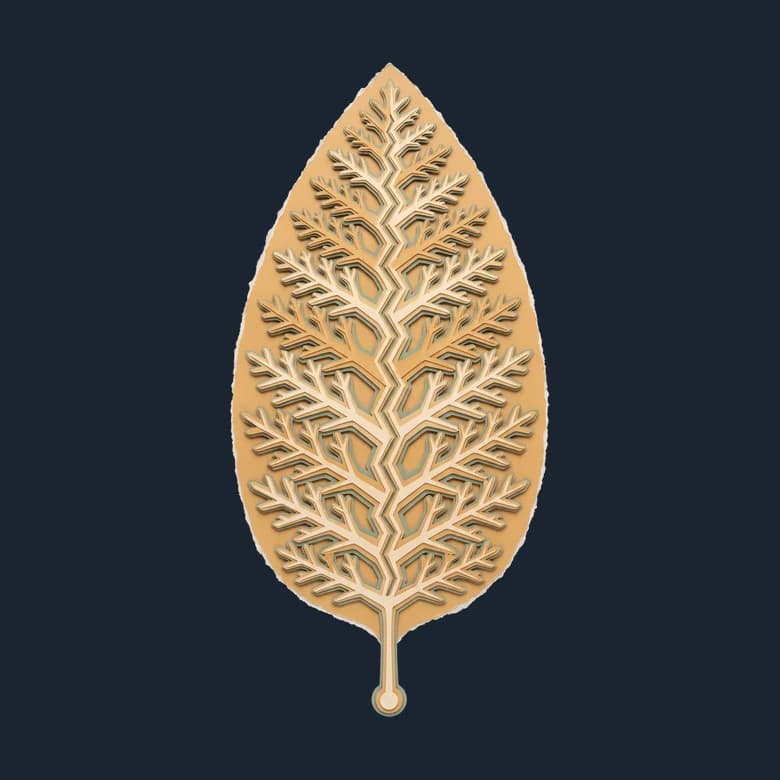
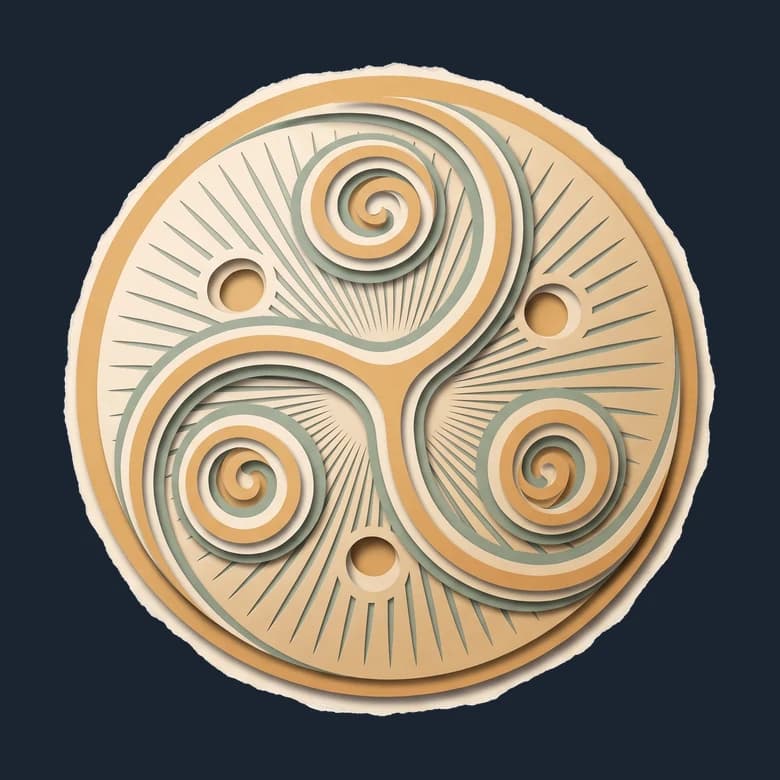
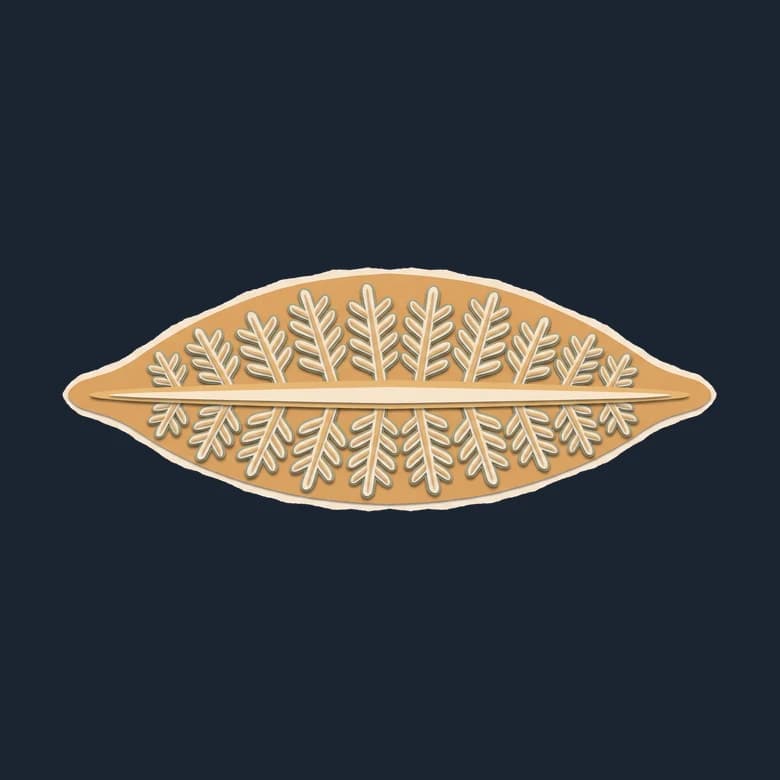
And the outsides are strange. Charnia stands upright, a frond about as long as your forearm, its branches meeting down the middle in a zigzag seam. Tribrachidium is a low dome the size of a plum with three curled arms. Nothing alive today is built on three. Fractofusus is a spindle pointed at both ends, lying flat on the mud, attached to nothing.
No mouth, so how do you eat? Scientists put a model of Tribrachidium into simulated flowing water. Its three arms slowed the current, and food dropped into three small pits on top of the dome. A filter made from nothing but shape.
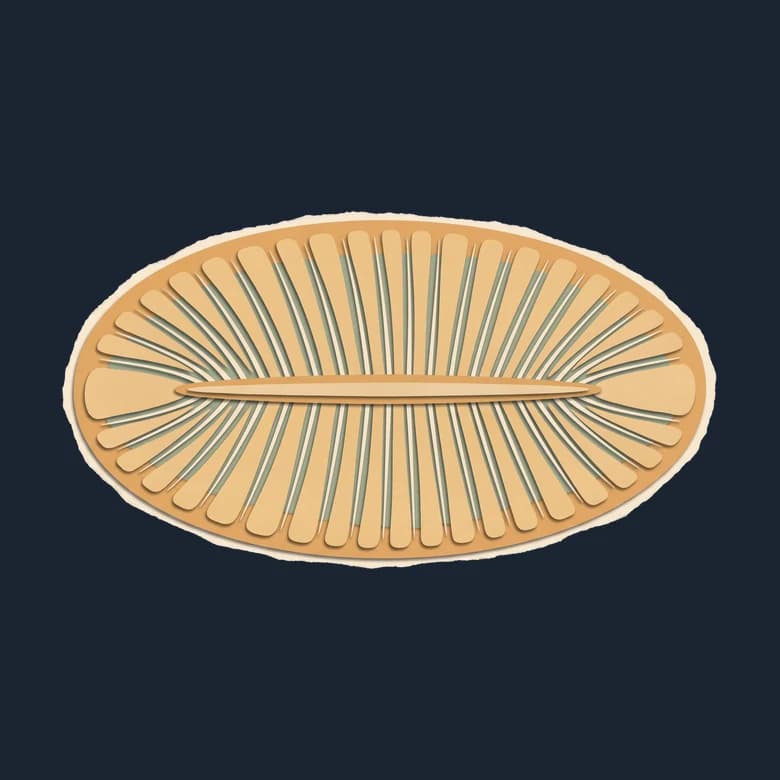
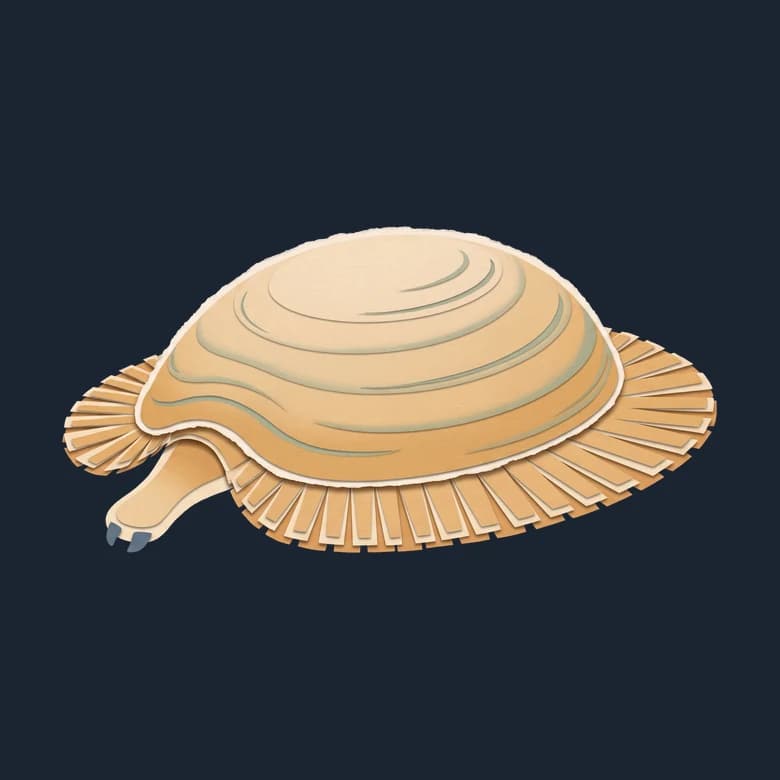
Then the mud starts carrying new marks. Dickinsonia, a flat ribbed oval, left chains of faint prints as it fed and moved on. Around 555 million years ago, Kimberella, a soft dome a few centimeters long, raked the mat toward its mouth with a two-toothed snout, leaving fans of paired scratches. It never grazed the same fan twice. It knew where it had been.
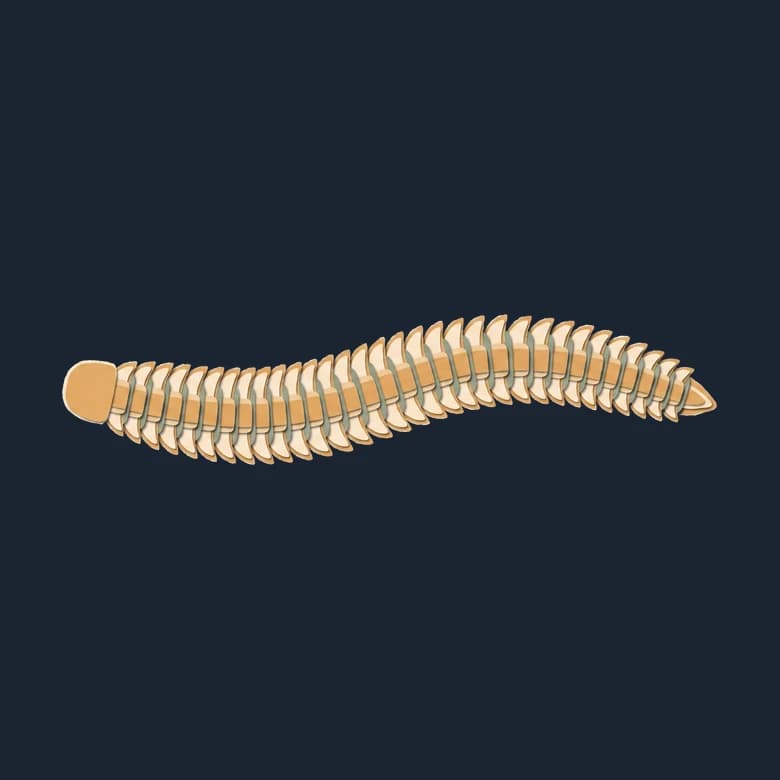
In southern China, one Yilingia, a segmented body up to 27 centimeters long, lies dead at the end of its own 58-centimeter trail. Something went somewhere on purpose. Here's the honest part: nobody knows what most of these bodies were.