
What it was
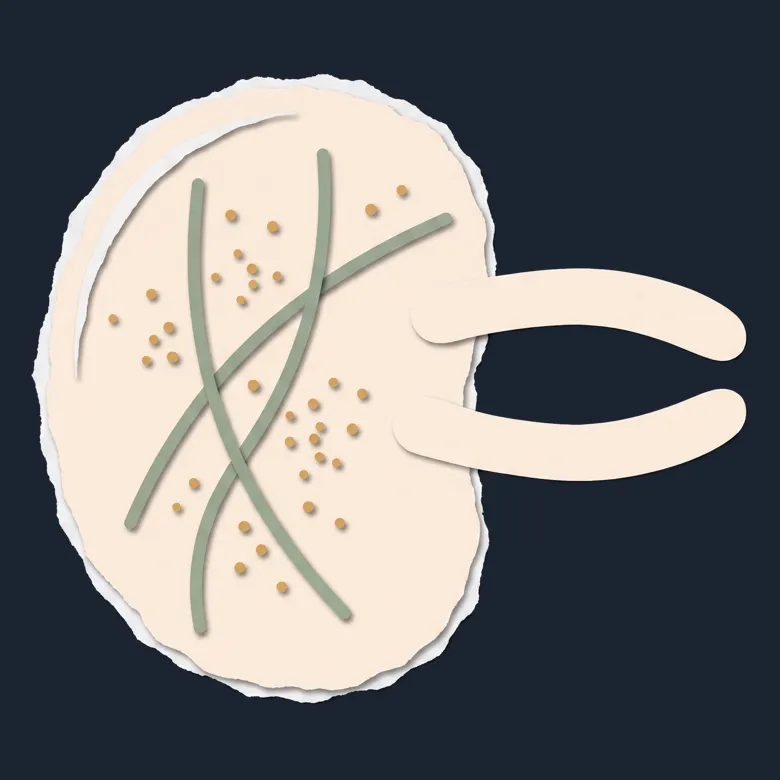
A tiny cell stretches branching arms into dark water. Scientists grew an archaeon like this from seafloor mud. The shape helped inspire the host cell you see in the show, with thin arms reaching far beyond its body.
Archaea (ar-kee-uh) are a branch of single-celled life distinct from bacteria. An archaeon is one of them. Some live in heat or other harsh places, but the whole group does not need hot water. These cells have many different homes.
When and where
Archaea live inside deep rock today. Their family also reaches into the story of the first complex cells: genes point to an archaeal host joining with a bacterium. That old host is gone, so scientists study living relatives for clues.
The branching cell came from mud at the Nankai Trough beneath the sea. It is a living cousin, not the ancient host brought back. Growing it let scientists watch a real cell depend on a partner that used up its hydrogen.
How big
The lab-grown cell body measured about 300 to 750 nanometers across. A nanometer is a millionth of a millimeter. Even a thin human hair could span more than 60 of the widest cell bodies. The long arms reach beyond that tiny middle.
How we know
Genes help trace family ties, while growing cells shows how they behave. Both clues matter. A close match in genes cannot show every move a cell made, and a cell's shape alone cannot draw its whole family tree.
Still a mystery
Nobody knows exactly how the ancient host and its bacterial partner first joined. Capture is one idea; other kinds of contact could work too. The branching arms show what a living cousin can grow. They do not replay the first meeting.