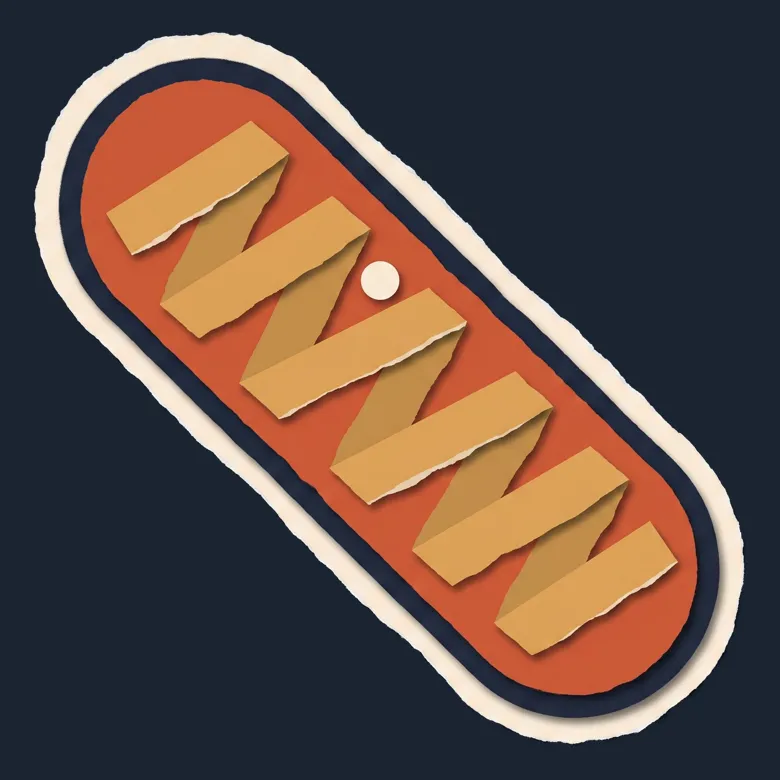
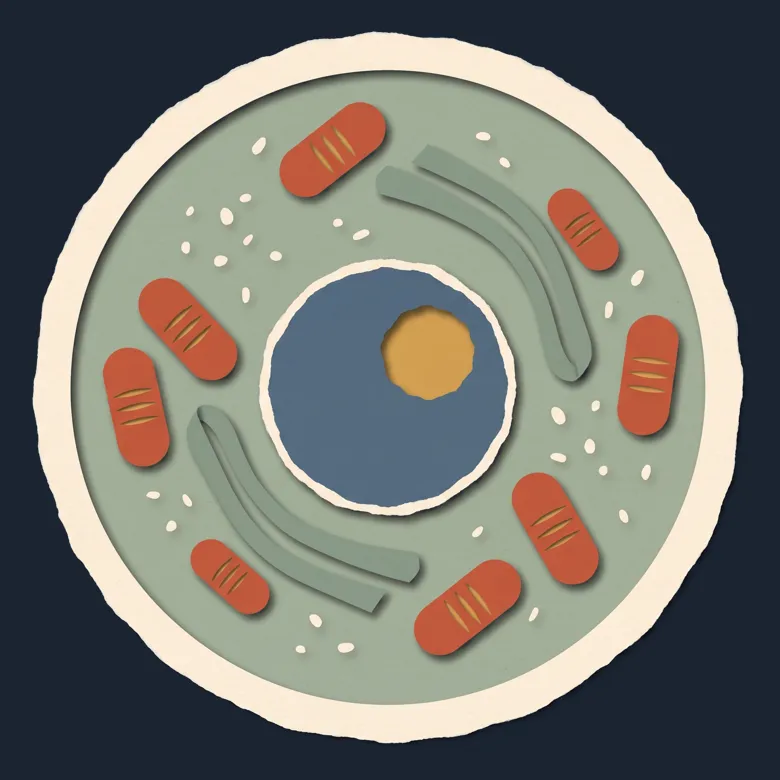
A small cell moves inside a bigger one and stays. Picture a lodger that starts supplying power to the house. Its descendants are mitochondria (my-toe-kon-dree-uh), the tiny energy-making parts inside your cells.
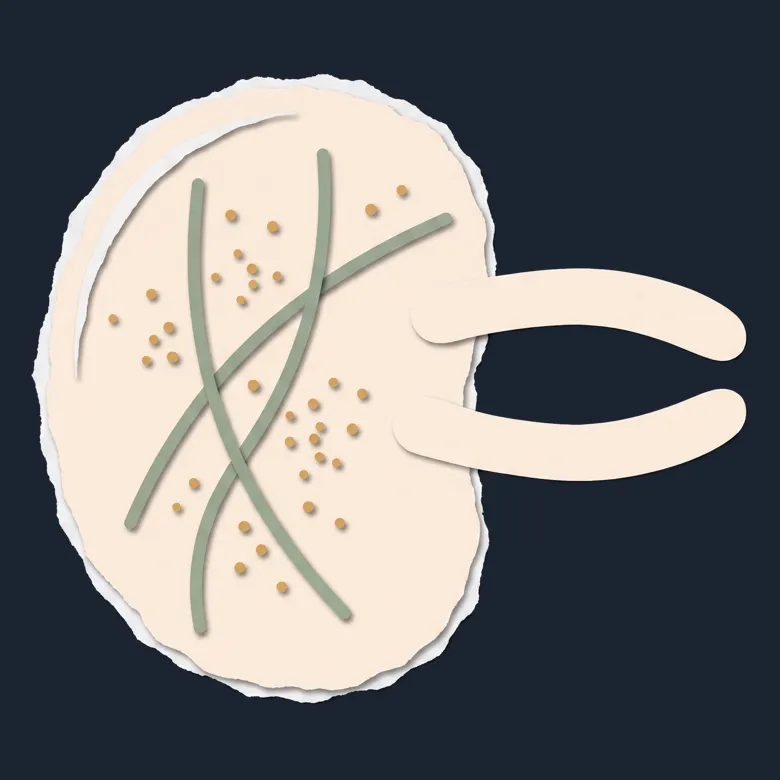
The host came from archaea (ar-kee-uh), a branch of single-celled life. The partner was a bacterium. Living inside another living thing is endosymbiosis (en-doh-sim-by-oh-sis). Over time, the partners came to need each other.
The smaller cell lost much of its freedom. Many genes, its inherited instructions, moved into the host's main store of DNA, the nucleus. Human mitochondria still have 37 genes, but they depend on parts made from the nucleus's instructions too. The lodger cannot move out and live alone.
Scientists still argue about how the pair first joined and how much extra energy drove the rise of complex life. The broad family link is much clearer than the first meeting.
Widely accepted fossils of complex cells reach back about 1.65 billion years. The merger happened earlier. That fossil date gives the Clock a place to stand; it is no date for the day a cell moved in. The old partnership leaves clues inside your body, in the genes the lodger kept.