Slice open striped iron rock and you can find layers as thin as pages in a book. Those rusty stripes began in seawater, where oxygen met dissolved iron.
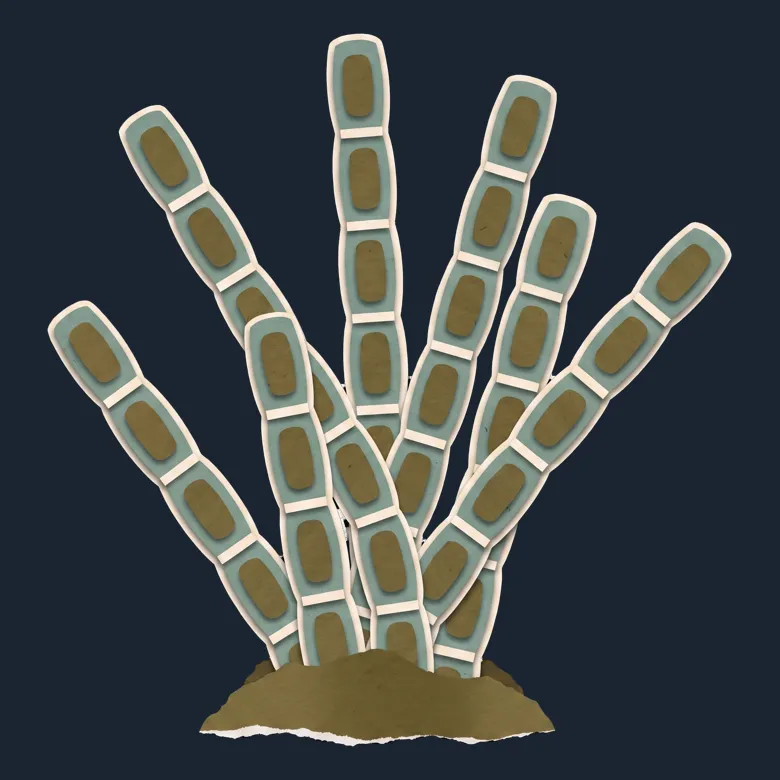
Cyanobacteria (sigh-an-oh-bacteria), tiny cells that split water with sunlight, kept making oxygen. For a long time, the sea and rock used much of it up in reactions. The air gained little, even as bubbles rose from living mats.
The rust settled and became banded iron formations, rocks with iron-rich stripes. Much of the iron we mine comes from these old layers. The steel in a car door can begin with rust made in an ancient sea.
Around 2.4 billion years ago, oxygen began to build up in the wider air. We call that change the Great Oxidation Event. A sulfur pattern left under oxygen-poor skies fades from the rock record as the air changes.
Oxygen could also break down methane, a gas that traps heat, and help cool Earth. Scientists still argue about the steps and timing. The gas harmed many cells that lived without it, but nobody can count the dead from these rocks. Others kept going in low-oxygen mud and deep rock. Their descendants still live there.