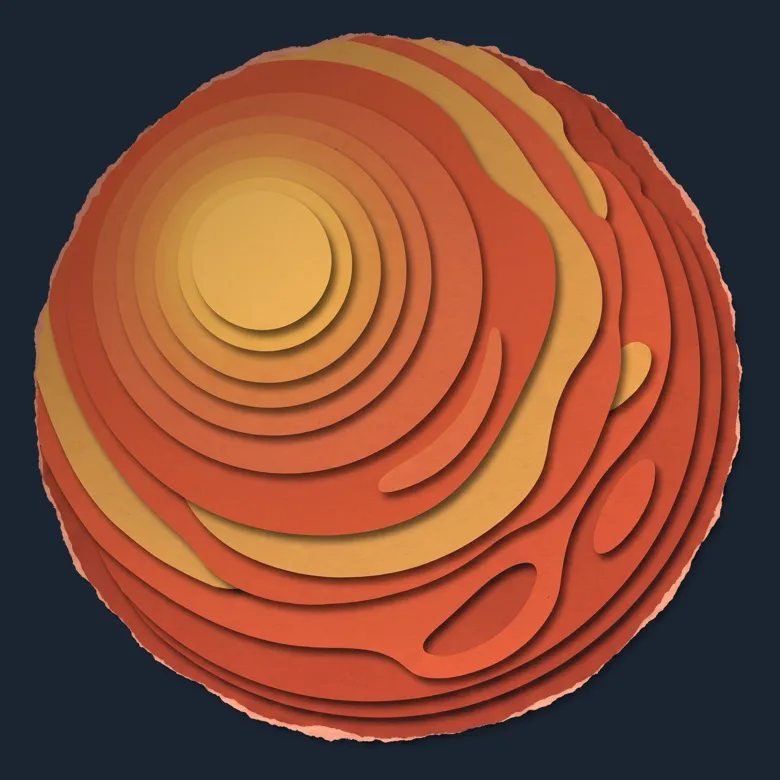
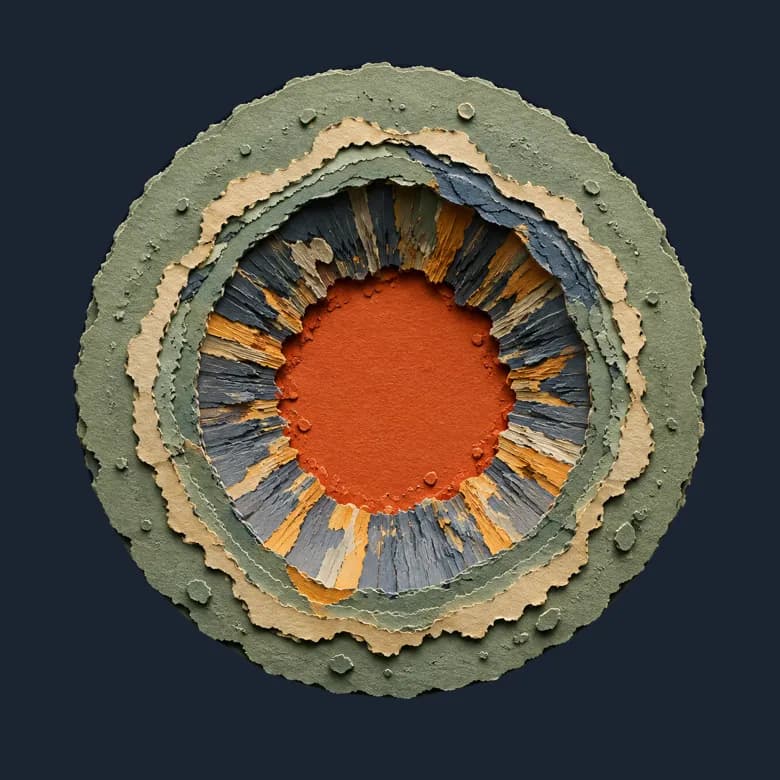
A mine shaft drops beneath a city in Ontario. Far below, nickel and copper sit near the floor of an old lake of melted rock. A space impact gathered them there.
The Sudbury crash struck about 1.85 billion years ago. Models put the incoming body wider than Everest is tall. It punched a huge bowl into the crust and melted rock that then cooled slowly. Metal-rich drops could sink through the melt as it cooled.
The sinking drops carried sulfur and collected nickel and copper near the bottom. Much of that metal was already in Earth's crust. The crash concentrated it into deposits people could mine.
Scientists still argue about what hit: the evidence does not settle on a comet. Later pressure squeezed the crater into an oval. You can see the scar without seeing the round hole it began as.
Mining helped build the city, but roasting sulfur-rich ore badly hurt the land. Cleaner ways to extract metal and new planting helped the hills grow green again.
The depth had another use. A lab beneath Sudbury studies tiny particles from space. The thick rock screens out many cosmic rays, fast particles that would swamp delicate tests at the surface. Below the city, the crater helps make a quiet place to measure.