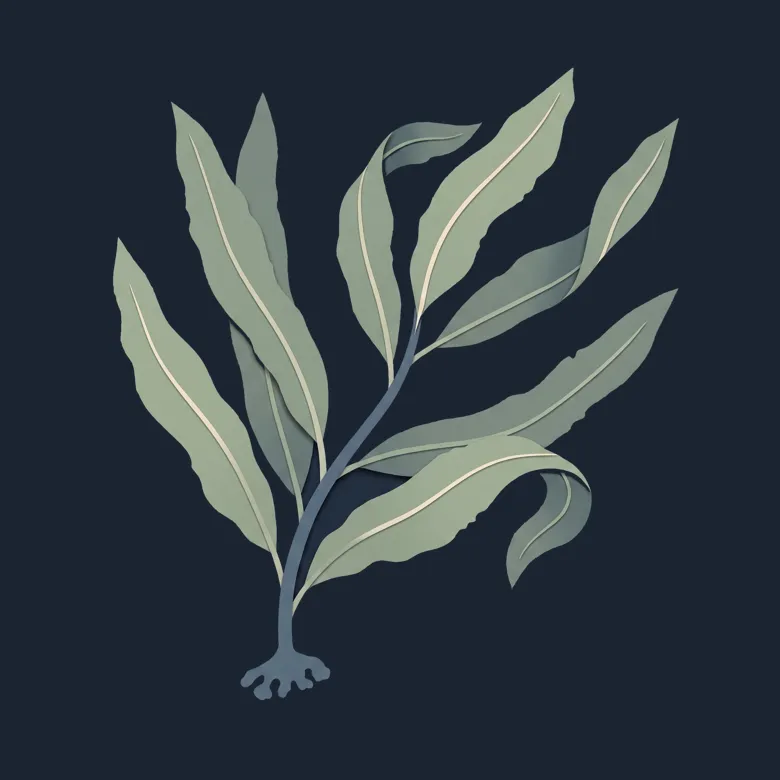
The first plants to stand up were about finger-high. Forty-five million years later, trees stood more than 20 meters tall. So how do you build a tree out of a plant with no roots, no leaves and no wood?
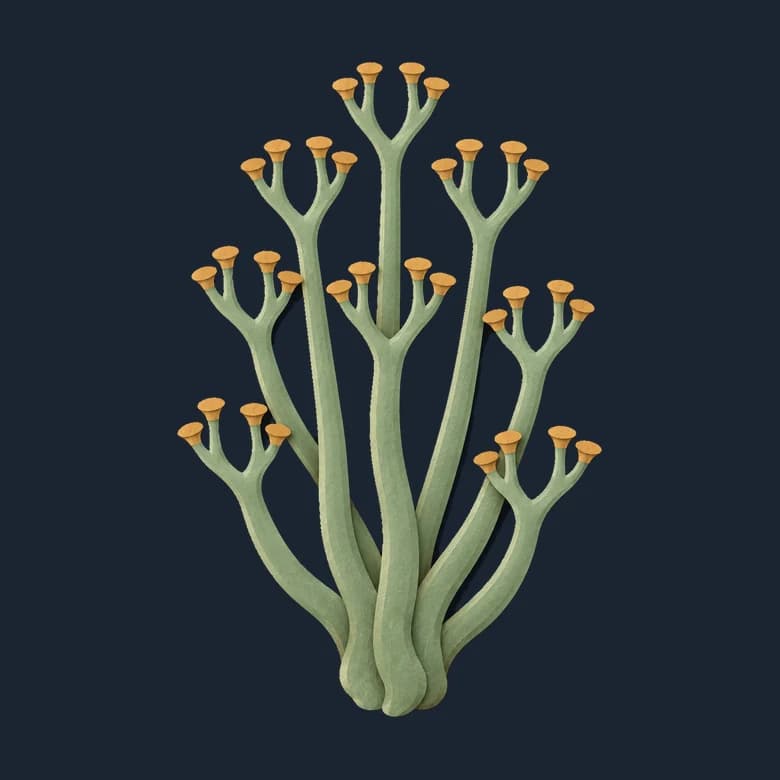
Before plants, the land was bare rock and sand. Wash a piece of seaweed up onto a rock and the air starts drying it out at once. Nothing holds it upright. Then some plants grew pipes: thin tubes inside the stem, with thickened walls, carrying water up from below. A stem full of pipes can hold itself up. This is Cooksonia. It stood about as tall as your finger.
A plant with no roots can only drink at the surface. The clue to how it coped is in a rock in Scotland. About 407 million years ago, hot spring water flooded the ground and turned the plants to stone, so well that you can still see single cells. Cut through one of those stems, and inside it there is a fungus. The fungus helps bring in water and minerals, and the plant pays it in sugar. Plants probably did not come onto land alone.
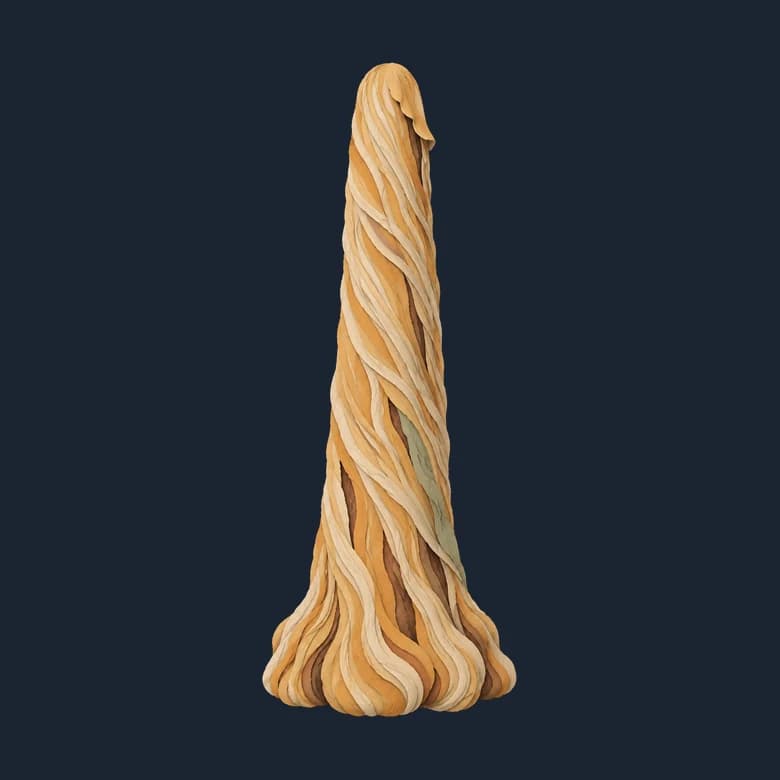
Once a plant could stand, height paid. A taller plant catches more light and throws its spores further. By about 390 million years ago that race had built forests. The oldest fossil forest yet found is in the cliffs of southwest England. Its trees stood two to four meters tall, with thin hollow trunks and no leaves.
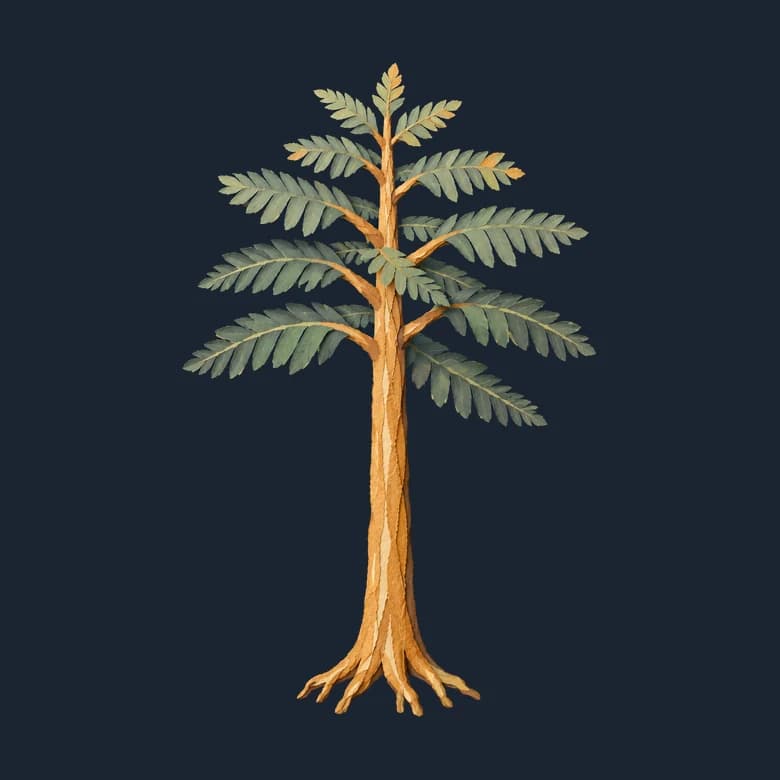
Then came a tree you would recognize: Archaeopteris. A trunk of real wood, flat leafy branches, and roots that reached down into the rock. It grew more than 20 meters tall, seven stories, and the biggest perhaps ten. Its roots split rock open. Broken rock, fallen leaves and fungi make soil, and under these forests the soil grew from a few centimeters thin to about a meter deep.
The forests changed more than the ground. As they spread, the carbon dioxide in the air fell and the planet cooled, and many scientists think the trees helped do it. Rivers began to keep to their channels and bend in loops across muddy floodplains. And every tree alive today still lifts its water the way the finger-high plant did, through pipes inside the stem.