
What it was
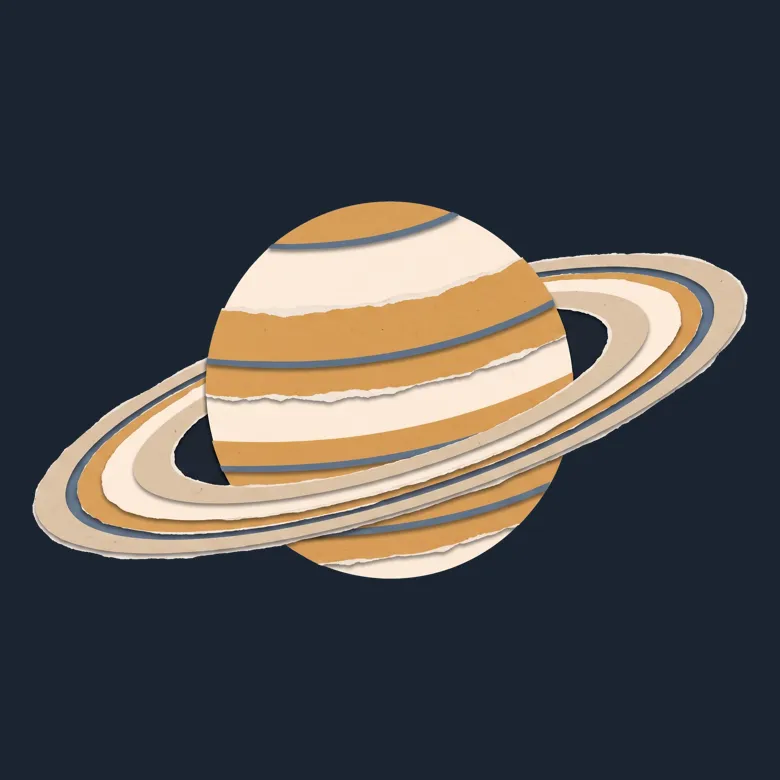
A smaller giant races after Jupiter through a disk of gas. In the Grand Tack model, Saturn catches up and changes where both planets are heading. Think of a sailing turn, with the giants moving back away from the Sun.
Planets tug on the gas around them, and the gas tugs back. A giant's path can shift while it is still growing. In this model, Saturn moves inward faster than Jupiter until their trips around the Sun lock into a rhythm.
When and where
This proposed chase happens before Earth finishes forming. The young planets still sit in the disk of gas that can pull them along. Once their timing links up, the pair can change how they trade motion with that disk and start moving outward.
If you could watch from above, the repeating pattern would keep bringing the giants back into line. Their combined pull would work on the gas as they circled. The whole turn depends on the young disk still being there.
How big
Saturn weighs about 95 Earths; Jupiter weighs about 318. In the model, Jupiter makes 3 trips around the Sun for Saturn's 2. That repeated timing is called resonance. The lighter giant can change what the pair does together.
How we know
Scientists run the planets through computer models and check what gets left behind. They look for a small Mars and a mixed belt of asteroids, with enough rubble in Earth's path to build our world. Those clues survive in the Solar System today.
Still a mystery
We do not know the giants' exact route. Other models can toss wet rocks toward Earth too. The Grand Tack is a possible track through the evidence, with Saturn catching Jupiter at the turn.