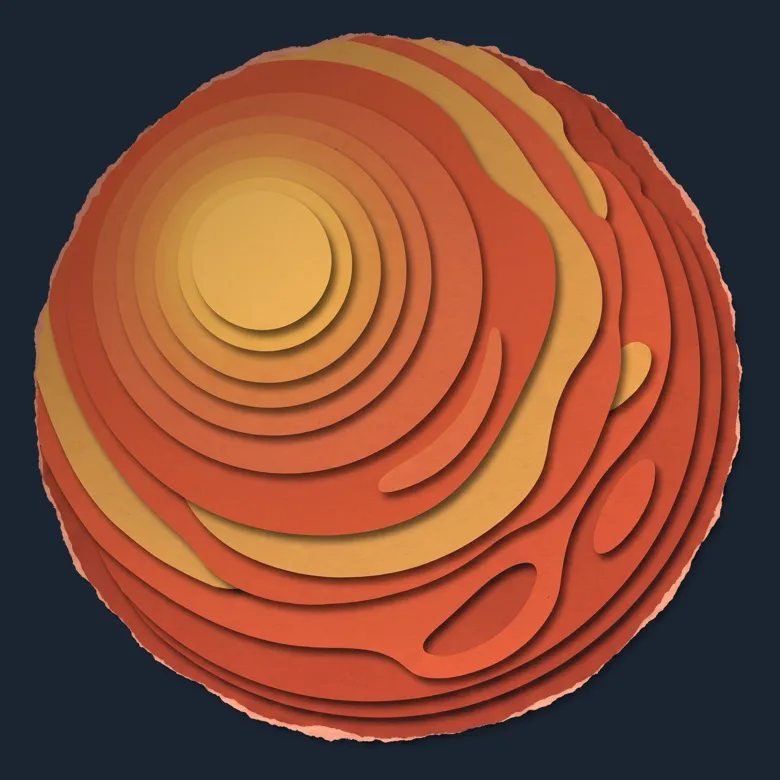
Picture a basketball with an orange beside it. In one model of the young Earth, our Moon once had a companion about a third as wide. The orange is about to meet the basketball.
The crash that made the Moon could have left a smaller moon nearby. For a while, gravity could hold both on the same path around Earth. Then the large Moon crept outward. Sunlight was not the trouble; the Sun's pull was. The small moon lost its safe spot.
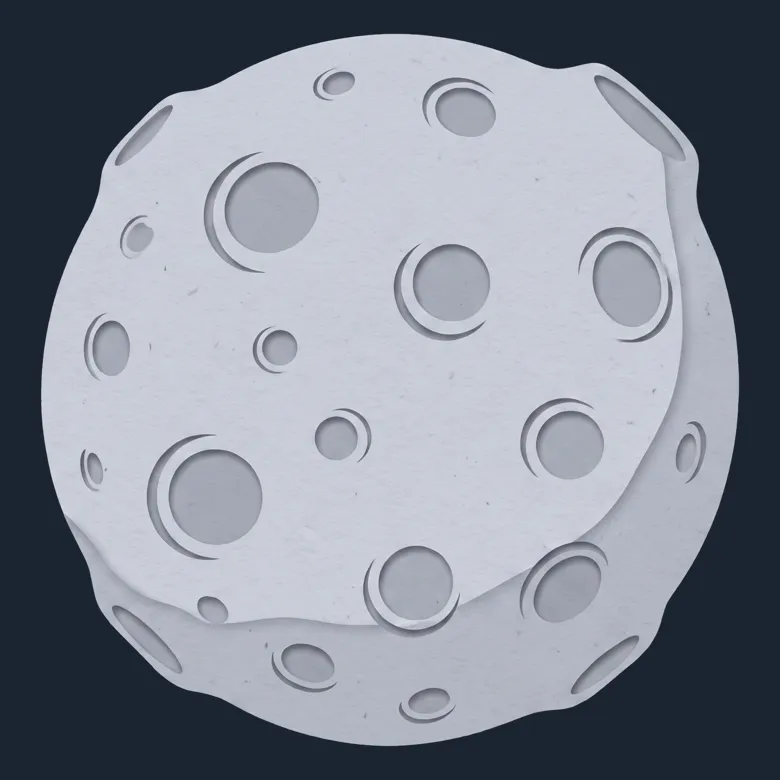
In the model, it hit the big Moon slowly enough to spread across one face. Think of a pancake of rock. Extra crust piled up where the small moon landed.
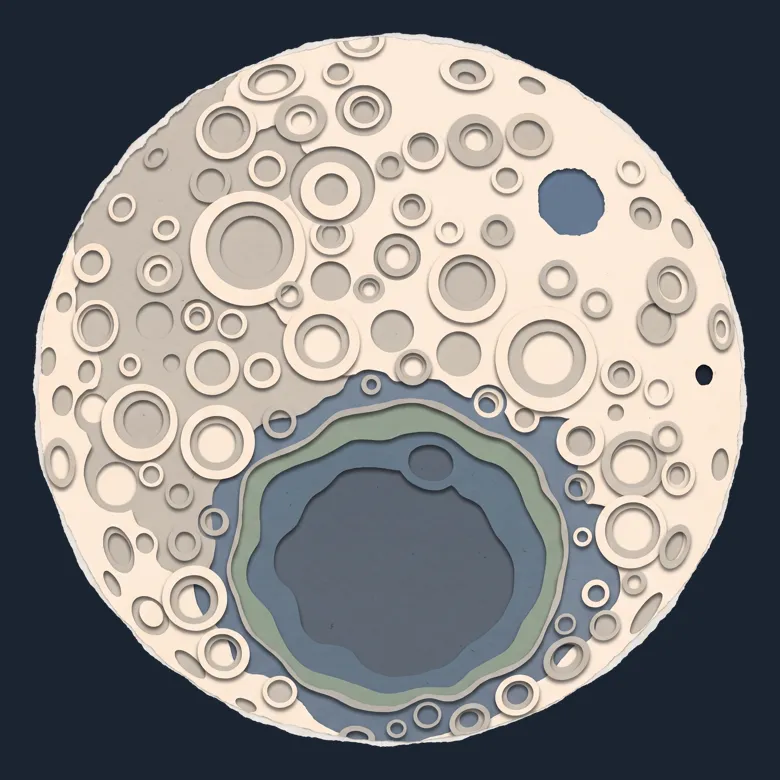
That sounds wild until you look at the Moon's far side. Its shell is thicker, with far fewer dark lava plains. The GRAIL mission sent a pair of spacecraft around the Moon and measured how buried rock tugged at them. The uneven shell showed up in the gravity map.
Here is the honest answer: we do not know what thickened it. Heat from young Earth could have helped make the sides different. Tidal heating is another idea. The map proves the shell is uneven. A buried moon is still a possibility.