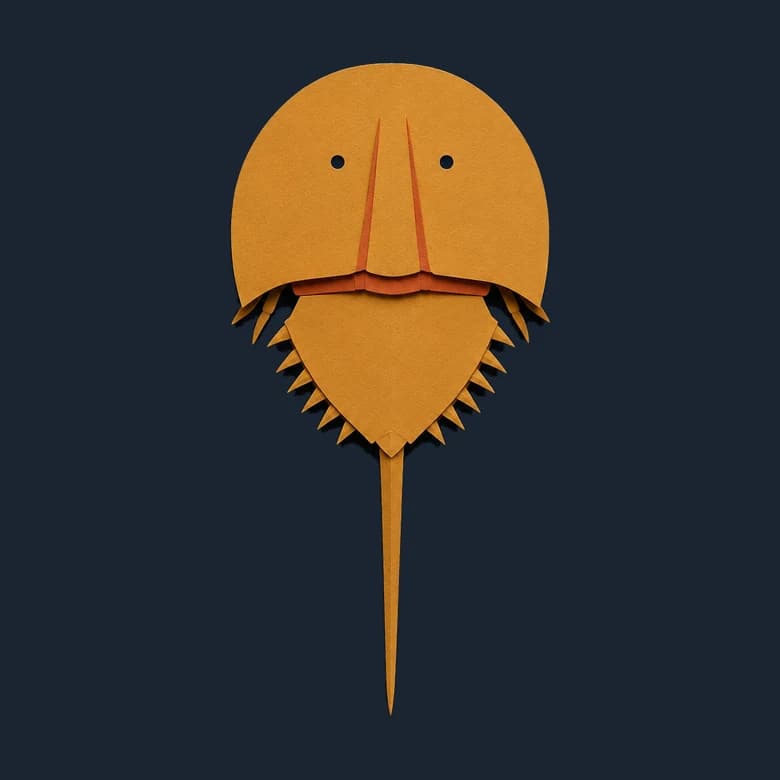
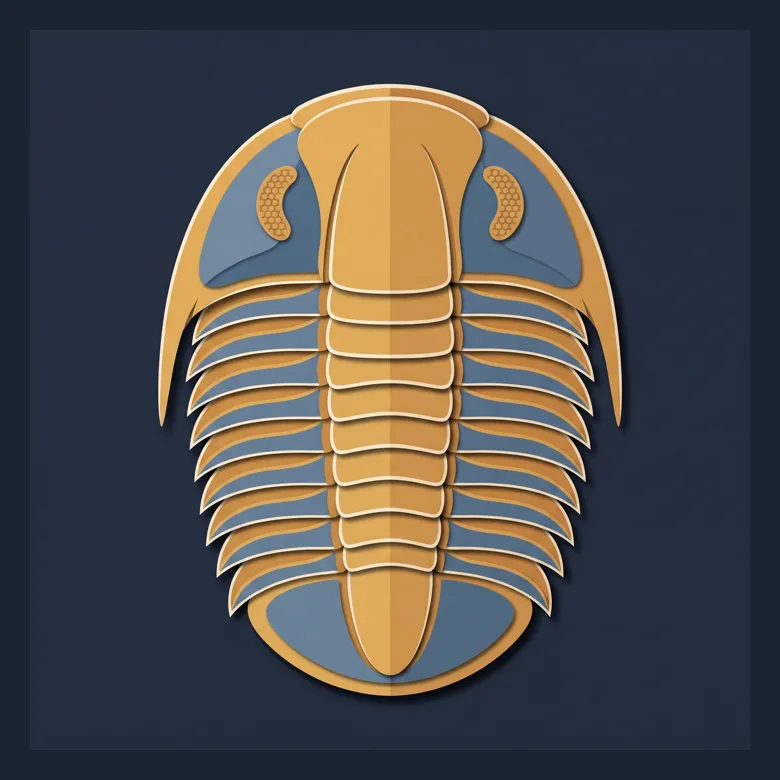
This animal has walked out of five mass extinctions. And it is still walking.
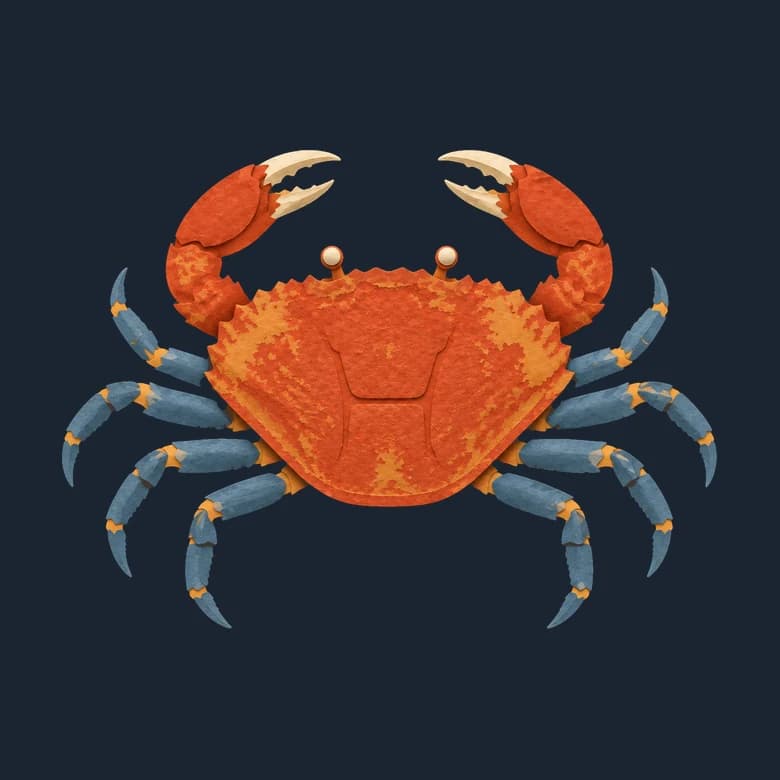
It's called a horseshoe crab, and it isn't a crab. A true crab scuttles sideways on legs you can see. A horseshoe crab walks forward, with every leg tucked under one smooth shield. The oldest horseshoe crab fossil is 445 million years old. It was found in Canada, and it is only about four centimeters long. Yet it already carries the plan: a curved front shield, a hinged back plate, and a long spike for a tail.
About 150 million years ago, one of them went for a walk in a lagoon in what is now Germany. It left nearly ten meters of footprints in the mud. At the very end of the trail lies the animal that made them, and its shape is the shape of the ones alive today.
So did it stop evolving? No. Inside, its genes kept changing at an ordinary pace. What held still was the design. And horseshoe crabs did try new designs. At least five times, some left the sea for fresh water and grew long spines and strange new outlines. Every one of those branches died out.
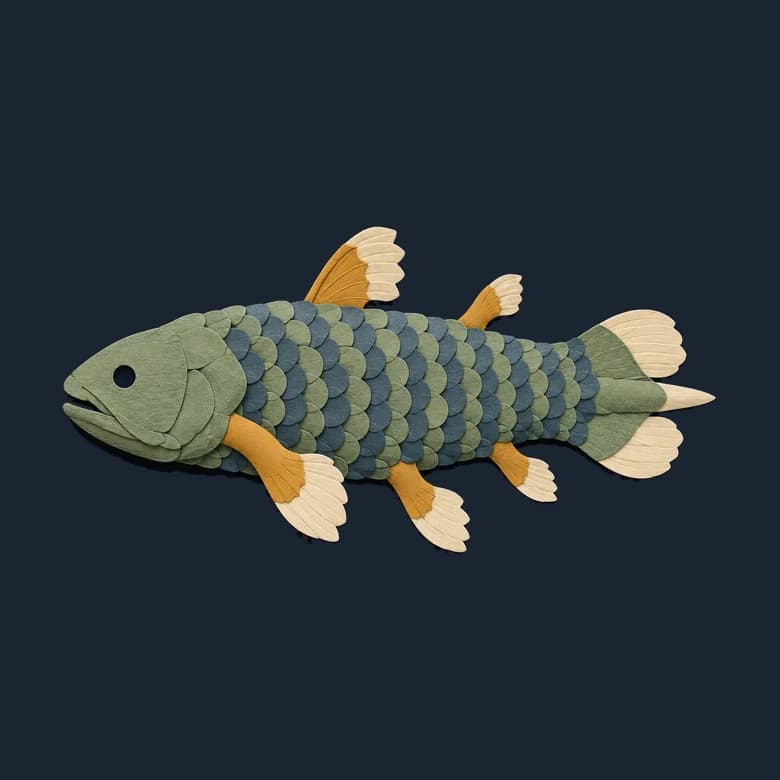
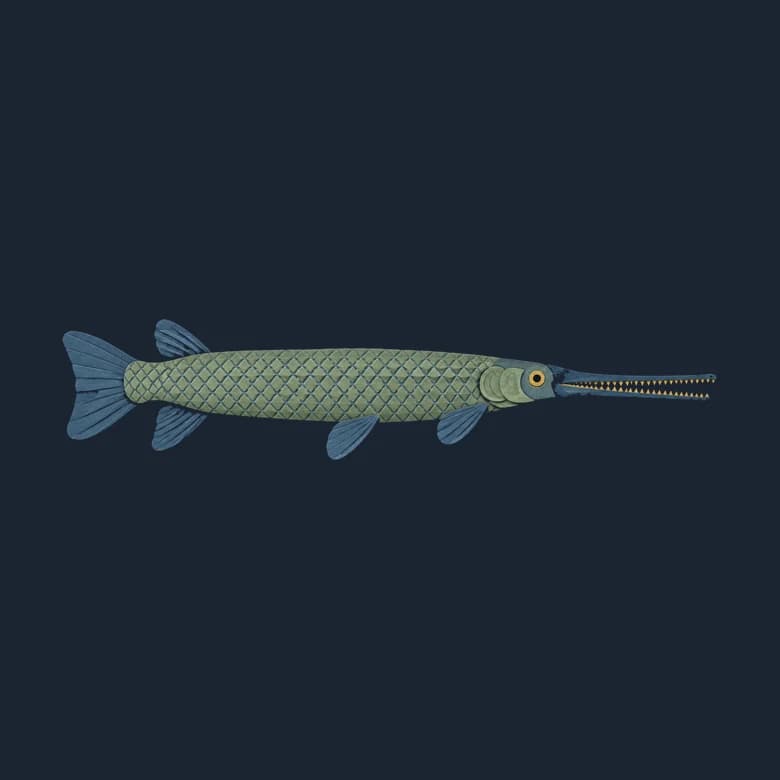
Other animals have held on the same way. The coelacanth's fossils stop 66 million years ago, so scientists thought it was gone. Then, in 1938, a fishing boat off South Africa pulled one up alive. In North American rivers, the gar still rises to gulp air, and gar fossils from the age of the dinosaurs look almost the same as the fish alive today.
What did these survivors get right? They kept a kind of home that never went away: shallow coasts, river mouths and muddy bottoms. A horseshoe crab eats almost anything it can dig up, and it copes with near-freezing water and summer heat. Five times the sea lost most of its species. One line kept walking the edge of the sea, through all five.